Fiber
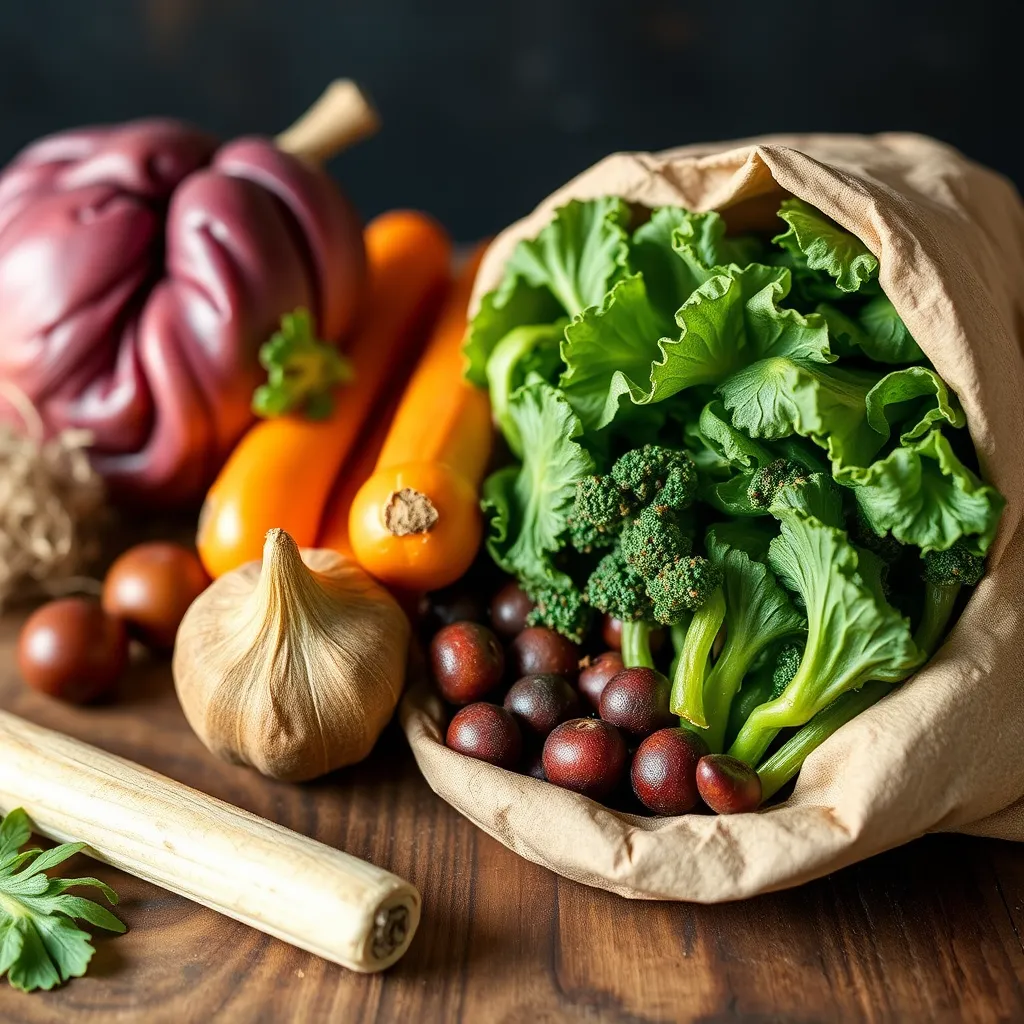
Carbohydrates are one of the three primary macronutrients, alongside proteins and fats. They serve as a vital source of energy for our bodies, playing a crucial role in various physiological functions. Within carbohydrates, fiber is an essential component that significantly contributes to overall health.
What is Fiber?
Fiber is a type of carbohydrate that the body cannot digest. Unlike other carbohydrates that break down into sugar molecules, fiber remains intact as it passes through the digestive system. It can be classified mainly into two types:
- Soluble Fiber: This type dissolves in water to form a gel-like substance. It helps regulate blood sugar levels and lowers cholesterol by binding to bile acids.
- Practical Examples: Oats, beans, lentils, apples, and citrus fruits are rich sources of soluble fiber.
- Insoluble Fiber: This type does not dissolve in water but adds bulk to stool and aids in moving food through the digestive tract.
- Practical Examples: Whole grains (like whole wheat bread), nuts, seeds, and vegetables such as carrots and celery provide insoluble fiber.
Importance of Fiber
- Digestive Health: By promoting regular bowel movements and preventing constipation.
- Weight Management: High-fiber foods tend to be more filling than low-fiber foods; this can help control hunger levels.
- Blood Sugar Control: Soluble fiber slows down digestion and absorption of sugars which helps maintain steady blood glucose levels.
- Heart Health: A diet high in soluble fiber may lower cholesterol levels and reduce the risk of heart disease.
Daily Recommendations
The daily intake recommendations for dietary fiber vary based on age and gender but generally suggest:
- Women should aim for about 25 grams per day
- Men should target around 38 grams per day
Including a variety of both soluble and insoluble fibers from different food sources ensures balanced nutrition.
Practical Tips for Increasing Fiber Intake
- Start Your Day with Whole Grains: Choose oatmeal or whole-grain cereals instead of sugary options.
- Snack Smartly: Opt for fruits like apples or pears with skin on rather than processed snacks.
- Add Legumes to Meals: Incorporate beans or lentils into soups or salads for added texture and nutrition.
- Choose Vegetables Wisely: Include fibrous veggies like broccoli or Brussels sprouts in your meals regularly.
By understanding the significance of fiber within carbohydrates, you can make informed choices about your diet that promote better health outcomes while enjoying diverse flavors!
 Fiber
Fiber