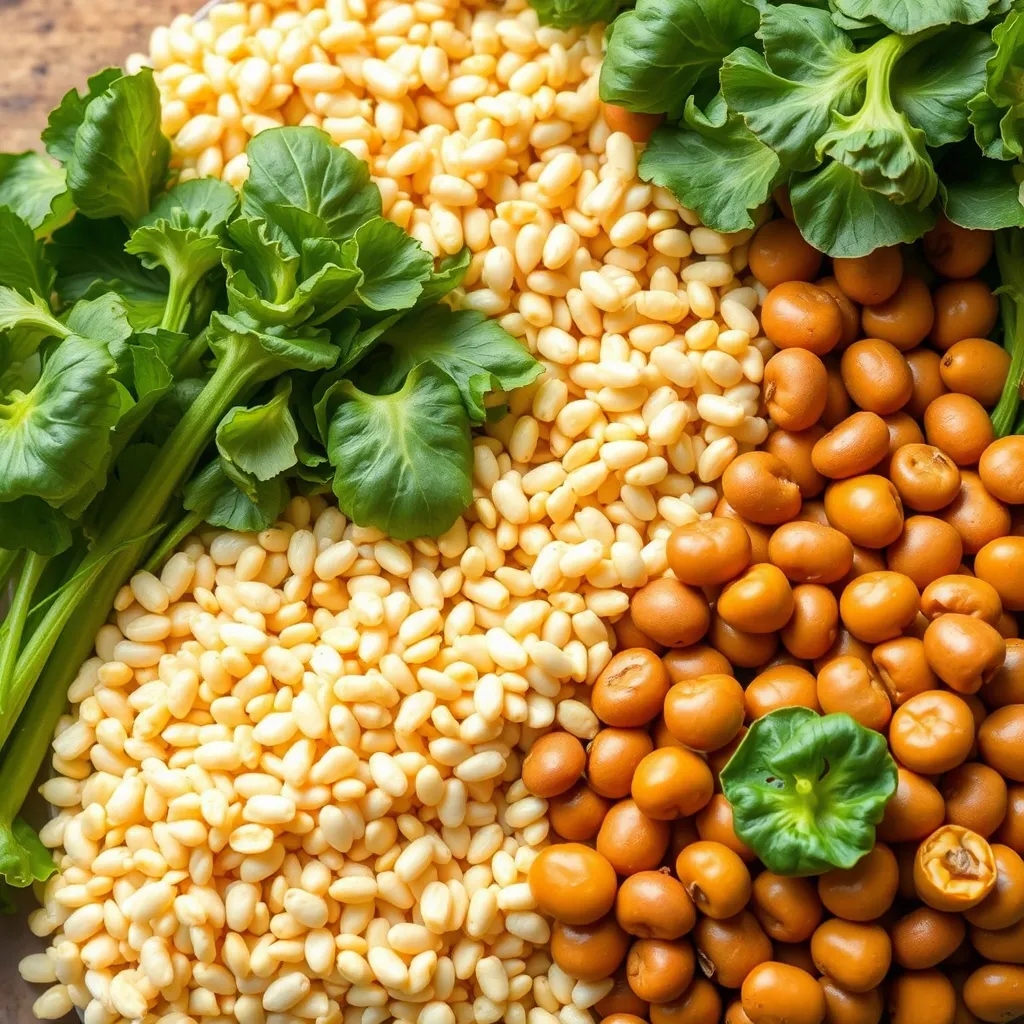
Understanding Complex Carbohydrates
Complex carbohydrates are an essential nutrient that plays a significant role in our diet and overall health. They consist of long chains of sugar molecules, which means they take longer for the body to break down compared to simple carbohydrates. This slow digestion process provides a steady release of energy, making complex carbohydrates an important source of fuel for our bodies.
1. Structure
Unlike simple carbohydrates, which have one or two sugar units (like glucose or sucrose), complex carbohydrates are made up of three or more sugar units linked together. These can be further categorized into oligosaccharides (3-10 sugar units) and polysaccharides (more than 10 sugar units).
2. Function
The primary function of complex carbohydrates is to provide energy. When consumed, they are broken down into glucose, which is used by the body’s cells for energy. Additionally, complex carbs often contain dietary fiber, vitamins, and minerals that contribute to overall health.
3. Sources
Complex carbohydrates can be found in various foods including:
- Whole grains (e.g., brown rice, quinoa)
- Legumes (e.g., beans, lentils)
- Starchy vegetables (e.g., potatoes, corn)
- Vegetables (especially root vegetables like carrots)
4. Health Benefits
- Sustained Energy Release: Because they digest slowly, complex carbs help maintain stable blood sugar levels and provide sustained energy throughout the day.
- Digestive Health: Many sources of complex carbs are high in fiber which aids in digestion and helps prevent constipation.
- Nutrient Density: Foods rich in complex carbohydrates often come packed with additional nutrients such as B vitamins and iron.
5. Practical Examples
Consider incorporating these foods into your meals:
- Start your day with oatmeal topped with fruits; this not only provides you with energy but also keeps you full longer due to its fiber content.
- For lunch or dinner, include a serving of quinoa salad mixed with colorful veggies — it’s nutritious and satisfying.
- Snack on hummus paired with whole-grain pita bread; it combines protein from chickpeas with healthy carbs.
6. Comparison With Simple Carbohydrates
| Feature | Simple Carbohydrates | Complex Carbohydrates |
|---|---|---|
| Structure | One or two sugars | Three or more sugars |
| Digestion Speed | Quick | Slow |
| Blood Sugar Impact | Rapid spike | Gradual increase |
| Nutritional Value | Often low | Generally higher |
7. Tips for Including More Complex Carbs in Your Diet
- Choose whole grain products instead of refined ones whenever possible—look at labels!
- Incorporate legumes into soups or salads regularly for added texture and nutrition.
- Experiment with different starchy vegetables; sweet potatoes offer great flavor along with their nutritional benefits.
In summary, understanding the role of complex carbohydrates is vital when considering essential nutrients needed for optimal health. By prioritizing these nutrient-dense foods within your diet plan while being mindful about portion sizes can lead to better energy management and overall well-being!
 Complex Carbohydrates