Macronutrients
Macronutrients are the nutrients that provide us with energy and are essential for our growth, metabolism, and overall health. They can be categorized into three primary groups: carbohydrates, proteins, and fats. Each macronutrient plays a unique role in our bodies and contributes to our daily dietary needs.
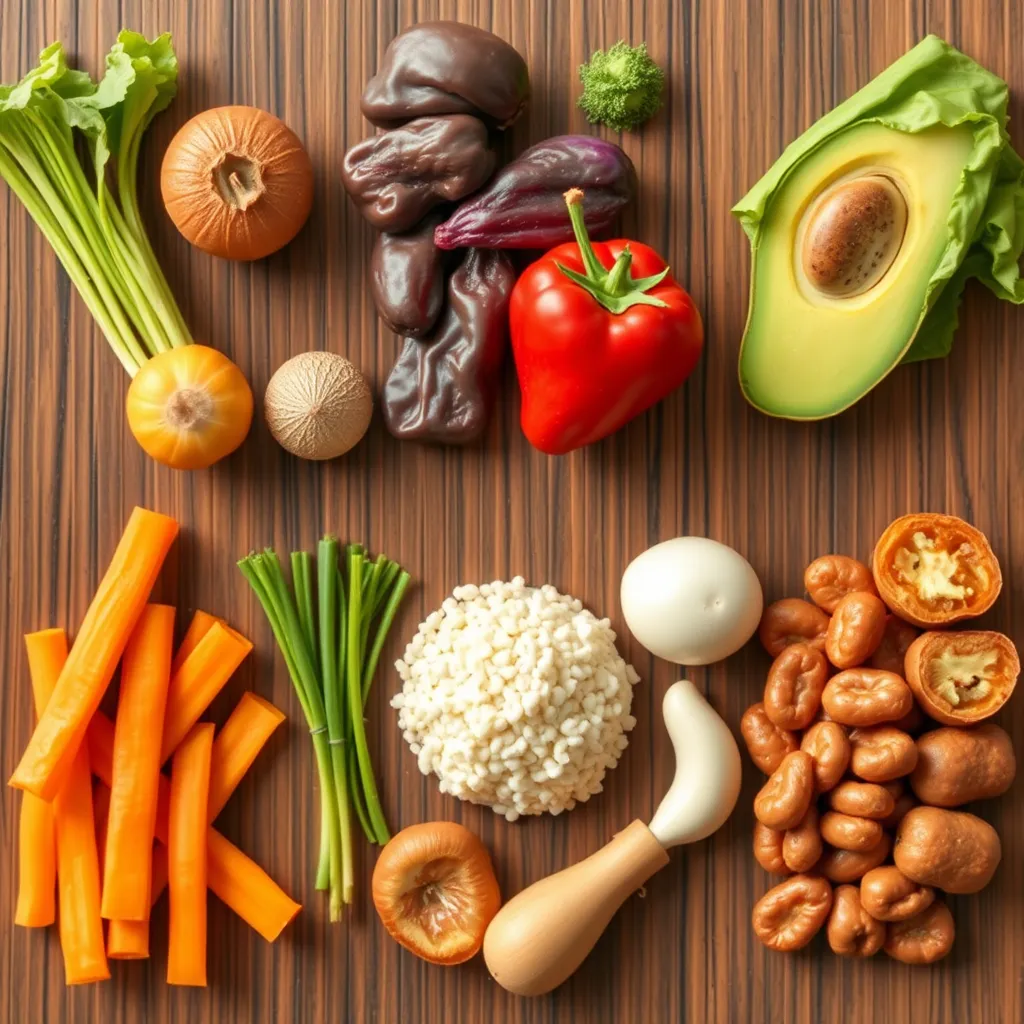
Carbohydrates
Carbohydrates are the body’s main source of energy. They break down into glucose (sugar), which is used by our cells for fuel.
-
Types of Carbohydrates:
- Simple Carbohydrates: These are sugars found in fruits, milk, and sweeteners like honey or table sugar. They provide quick energy.
- Complex Carbohydrates: Found in whole grains, legumes, and vegetables; they take longer to digest and provide sustained energy.
-
Examples:
- Simple: Fruits (like bananas), candy
- Complex: Brown rice, oats
2. Proteins
Proteins are crucial for building and repairing tissues in the body. They also play a vital role in producing enzymes and hormones.
-
Sources of Protein:
- Animal-based: Meat, fish, eggs
- Plant-based: Beans, lentils, nuts
-
Amino Acids:
Proteins are made up of amino acids; there are nine essential amino acids that must come from food because our bodies cannot produce them. -
Examples:
- Chicken breast (animal protein)
- Quinoa (plant protein)


Fats
Fats are necessary for absorbing certain vitamins (A, D, E & K) and providing long-lasting energy reserves.
-
Types of Fats:
- Saturated Fats: Typically solid at room temperature; found in animal products like butter.
- Unsaturated Fats: Usually liquid at room temperature; found in oils such as olive oil or avocado oil.
- Monounsaturated: Olive oil
- Polyunsaturated: Fish oil
- Trans Fats: Artificially created fats that should be avoided due to negative health effects.
-
Examples:
- Healthy fat sources include avocados and nuts.
- Unhealthy sources include fried foods containing trans fats.
Conclusion
Understanding macronutrients is fundamental for making informed dietary choices that support your health goals—whether it’s gaining strength through adequate protein intake or maintaining steady energy levels with complex carbohydrates while incorporating healthy fats into meals for optimal nutrient absorption!
By recognizing what each macronutrient does within your body—and where you can find them—you’ll be better equipped to create balanced meals that nourish both mind and body effectively!